






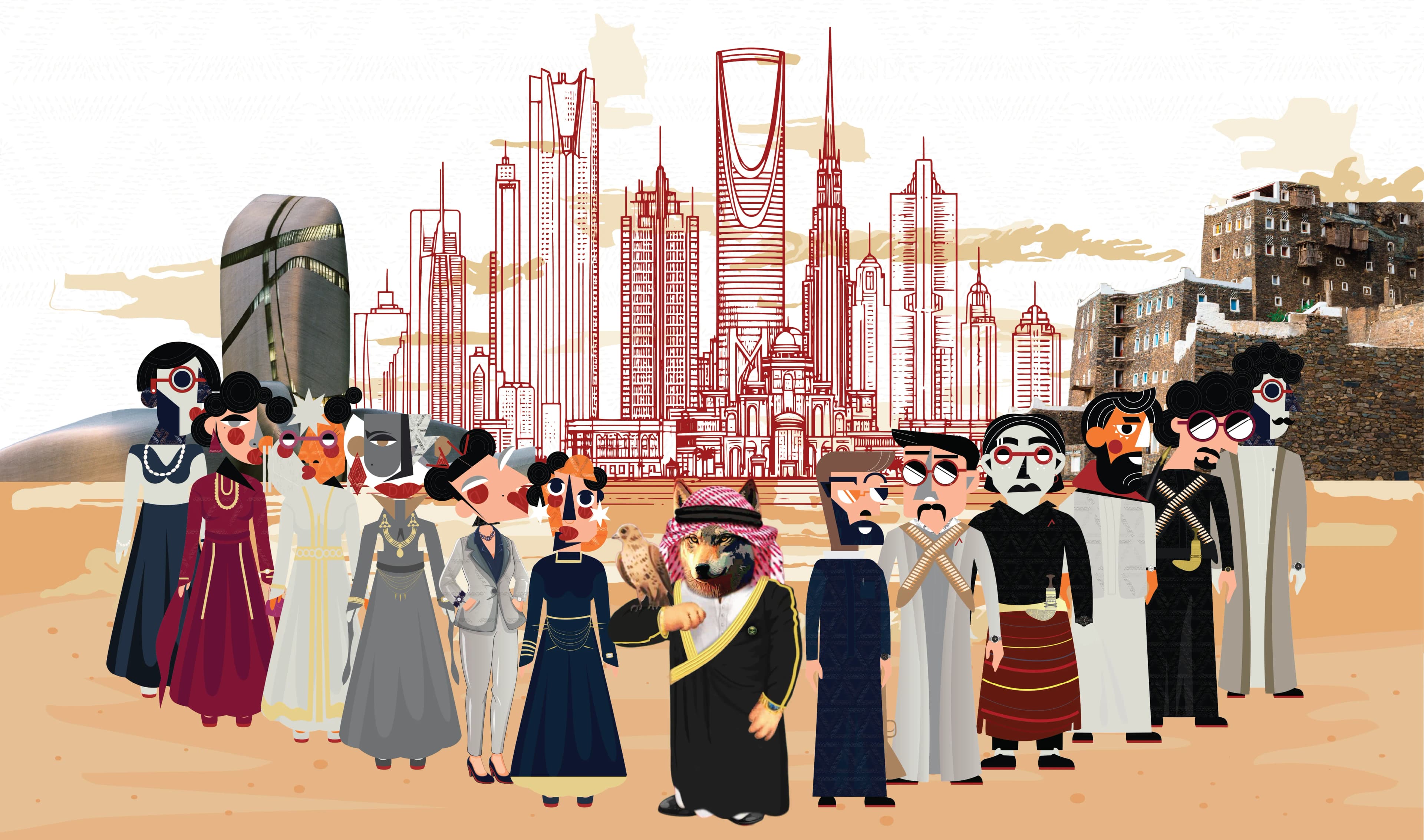
Explore vibrant cities in Saudi Arabia and enjoy the rich stories of the Kingdom. Twelve characters, each shaped by the history and heritage of the place they call home — every one of them can be personalized with your initials, turning a piece of the Kingdom’s story into a piece of yours.

Ula
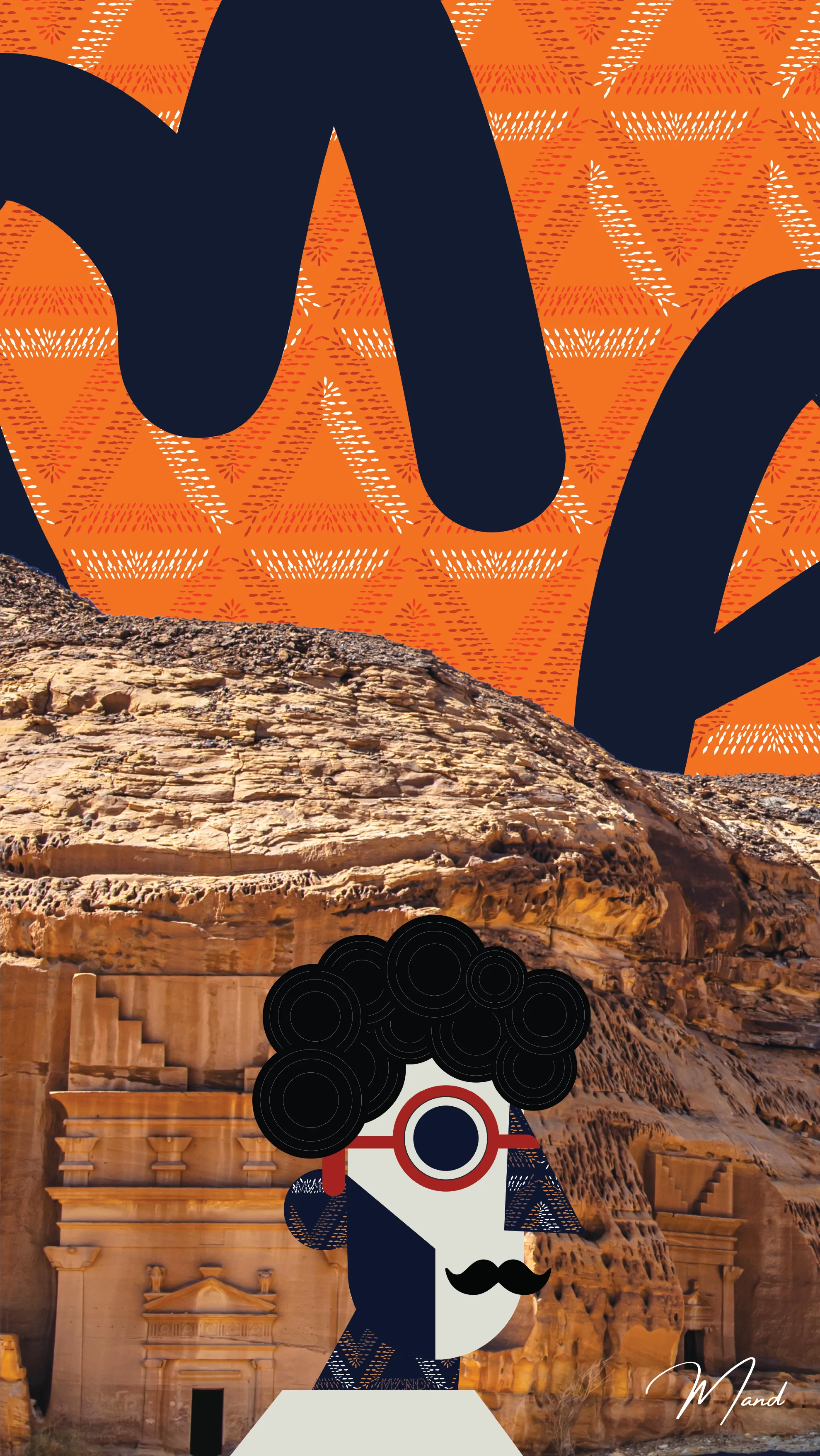
AlUlaAl Ula is a city in northwestern Saudi Arabia with a rich and ancient history. The region has been inhabited for thousands of years, with evidence of human settlements dating back to the Paleolithic era. During the 1st century AD, Al Ula gained prominence as part of the Nabataean Kingdom, a major trading civilization that controlled much of the region's commerce. The Nabataeans were skilled architects and engineers, leaving behind the impressive carved rock structures and tombs that are now a major tourist attraction in Al Ula. In the 7th century, Al Ula came under the rule of the Islamic Umayyad Caliphate. Over the subsequent centuries, the city remained an important stop along major trade routes, such as the Incense Route and the Silk Road.

During the 18th and 19th centuries, Al Ula experienced a period of decline, as trade routes shifted and the region suffered political instability. However, in the 20th century, the discovery of the well-preserved Nabataean ruins helped revive interest in the city's remarkable history. Today, Al Ula is undergoing significant development and investment, with efforts to preserve its ancient heritage sites and promote tourism. Major archaeological projects are ongoing, uncovering new insights into the region's past civilizations. Al Ula is poised to become an increasingly prominent cultural and historical destination within Saudi Arabia.
Saleh
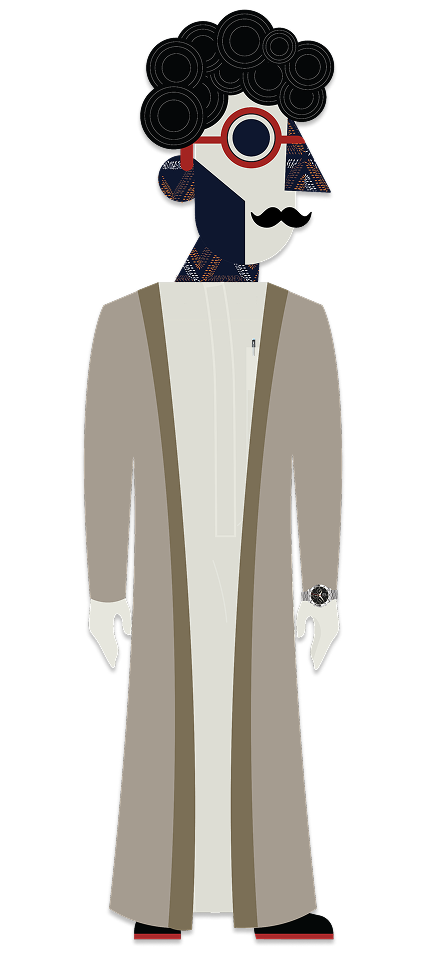
Madaen SalehMadaen Saleh was an important city of the Nabataean Kingdom, which flourished in the region from the 4th century BC to the 1st century AD. The Nabataeans were skilled architects and carvers, leaving behind an impressive array of rock-cut tombs, temples, and other structures at Madaen Saleh. The city was known in ancient times as Hegra, and it served as the southernmost outpost of the Nabataean civilization. Madaen Saleh was situated along major trade routes like the Incense Road, making it an important commercial hub.
During the 1st century AD, Madaen Saleh came under the control of the Roman Empire after the Nabataean Kingdom was annexed. The city continued to prosper under Roman rule for several centuries. In the 7th century, Madaen Saleh was conquered by the Rashidun Caliphate as Islam spread throughout the region. The city gradually declined in the centuries that followed, eventually being abandoned by the 13th century. The ruins of Madaen Saleh lay largely undisturbed for hundreds of years until they were rediscovered by European explorers in the 19th century. Extensive archaeological excavations have since been carried out, revealing the grandeur of the ancient Nabataean city.
Shrouq
Eastern RegionThe Eastern Region is considered one of the oldest geographical regions in the Arabian Peninsula. Its history dates back thousands of years, as it was the homeland of several ancient civilizations such as the Hasa and Bahrain civilizations. During the Middle Ages, the Eastern Region was part of several successive Islamic emirates and sultanates, such as the Abbasid Caliphate, the Ayyubid Sultanate, and the Mamluk Sultanate. In the 16th century, the region came under the control of the Ottoman Empire.

In the 19th century, the Emirate of Hasa emerged under the rule of the Al Khalifan and Al Saud families, and it was a vassal of the Ottoman Empire. After the fall of the Ottoman Empire at the end of World War I, the Eastern Region became part of the Kingdom of Saudi Arabia, which was established in 1932. Since then, the Eastern Region has continued to develop and prosper economically and socially, especially after the discovery of oil in the region in the early 20th century. Today, it has become one of the most important economic regions in the Kingdom.
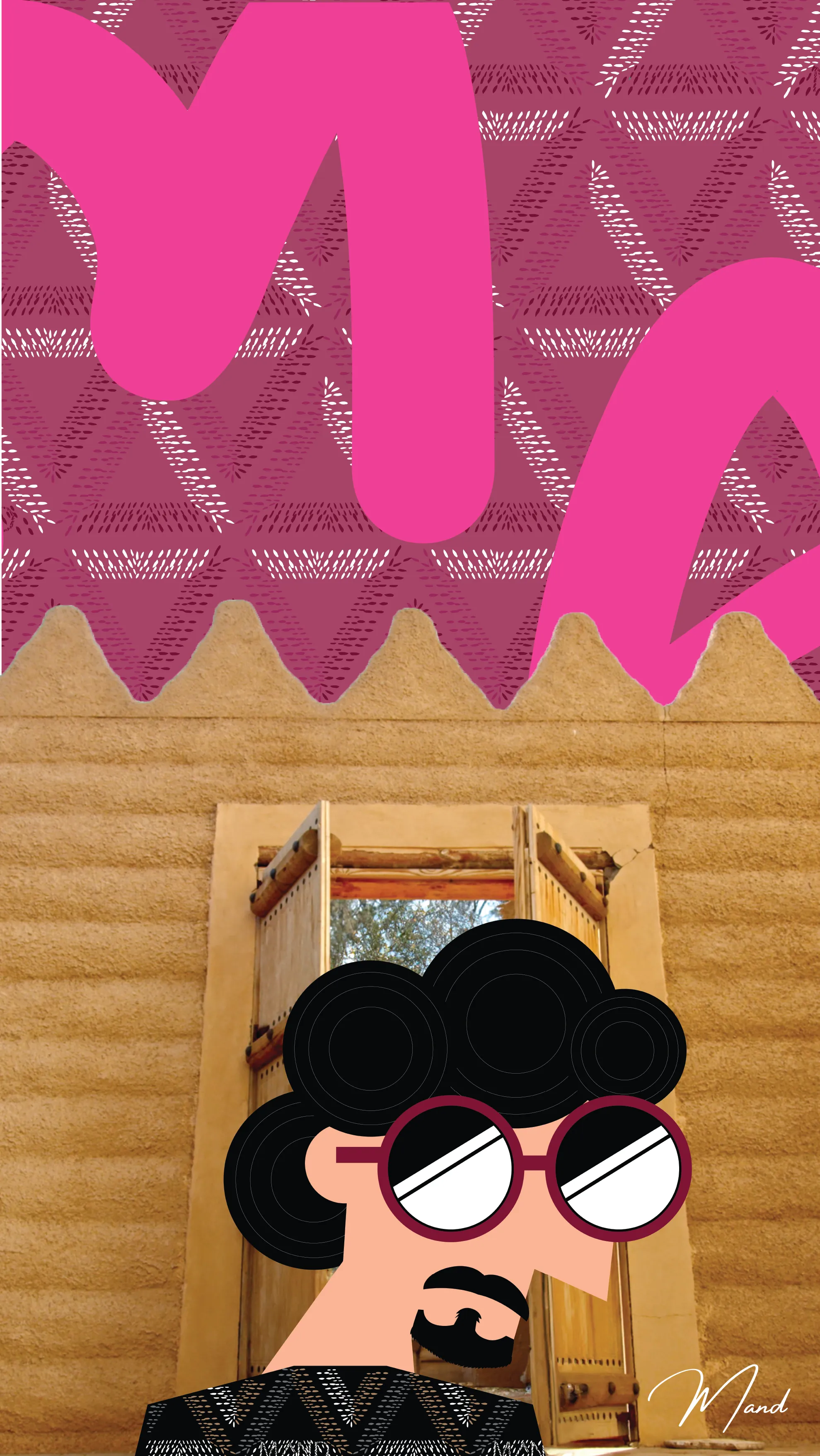
Shanab
Al-QassimFrom the ancient human settlement in prehistoric eras, then through the Islamic era which witnessed expansion in agriculture and urbanization, up to the modern era where Al-Qassim became one of the main administrative regions in the Kingdom and witnessed significant economic and urban development.
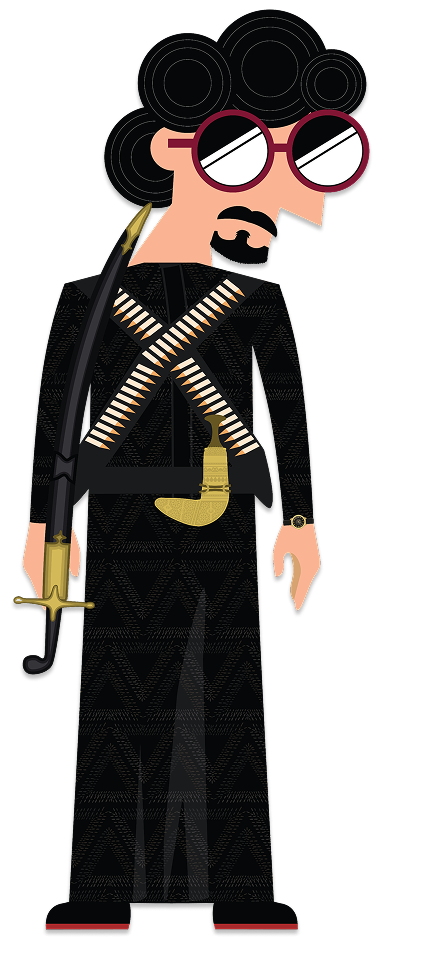
It appears that the distinct geographic location of Al-Qassim played an important role in its history, as it enabled it to emerge as one of the centers of Islamic conquests in the Arabian Peninsula. Its association with the Emirates of Najd in the 18th century also influenced its political and military activity during that period. This long and diverse history of the Al-Qassim region reflects its civilizational and historical importance throughout the eras in the center of the Kingdom of Saudi Arabia. This is what makes it a subject of interest for researchers and those interested in history and antiquities in the Kingdom.
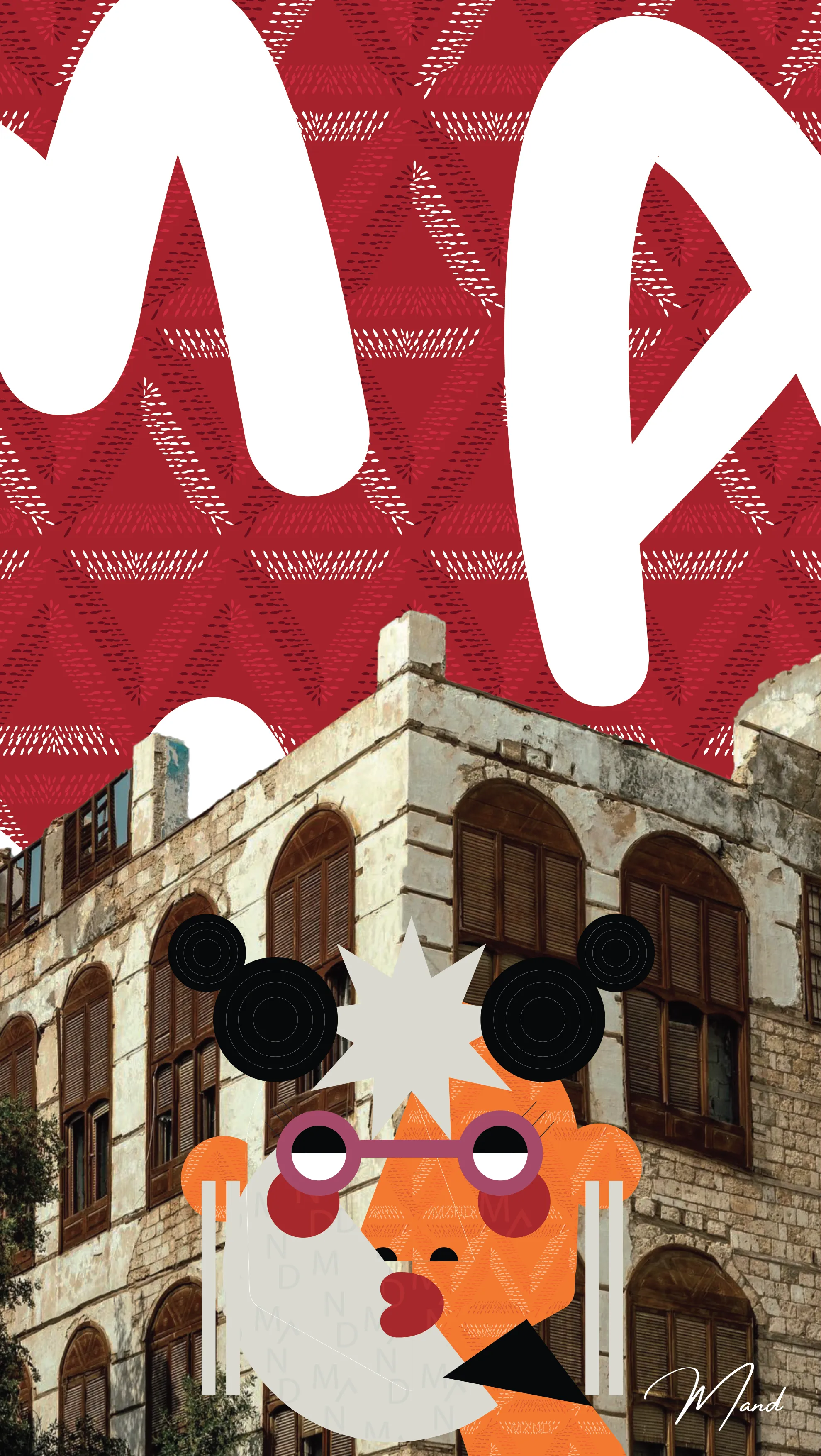
Zahra
Al Balad, JeddahAl Balad, the historic heart of Jeddah, has a rich and storied past. Established in the 7th century AD, the neighborhood served as an important administrative and commercial center for the city. In the 16th century, the Ottoman Turks constructed a wall around Jeddah, with Al Balad situated within this fortified perimeter. During the 19th century, Al Balad flourished as a major commercial hub, home to thriving markets for spices, textiles, and other goods.

After the founding of the Kingdom of Saudi Arabia in 1932, Al Balad underwent growth and development, while preserving its traditional architectural character. Today, the neighborhood is considered an integral part of Jeddah's cultural and architectural heritage, containing numerous historic buildings and markets that attract visitors from near and far. In recognition of its significance, Al Balad has been designated as a protected heritage site by the Saudi Commission for Tourism and National Heritage. This designation ensures the preservation of this iconic district, safeguarding its legacy for generations to come.
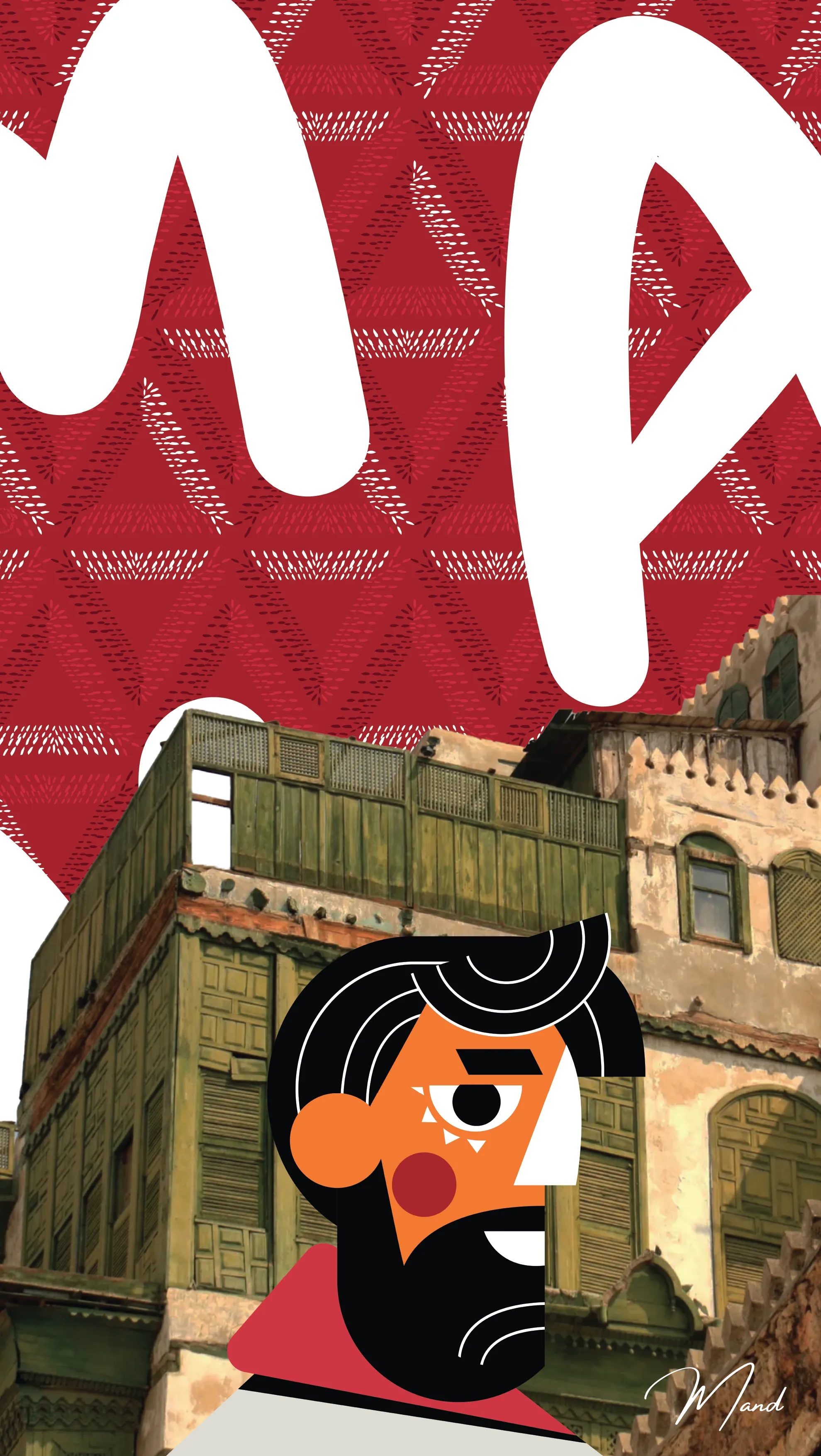
Jeddawi
Al Balad, JeddahAl Balad, the historic heart of Jeddah, has a rich and storied past. Established in the 7th century AD, the neighborhood served as an important administrative and commercial center for the city. In the 16th century, the Ottoman Turks constructed a wall around Jeddah, with Al Balad situated within this fortified perimeter. During the 19th century, Al Balad flourished as a major commercial hub, home to thriving markets for spices, textiles, and other goods.

After the founding of the Kingdom of Saudi Arabia in 1932, Al Balad underwent growth and development, while preserving its traditional architectural character. Today, the neighborhood is considered an integral part of Jeddah's cultural and architectural heritage, containing numerous historic buildings and markets that attract visitors from near and far. In recognition of its significance, Al Balad has been designated as a protected heritage site by the Saudi Commission for Tourism and National Heritage. This designation ensures the preservation of this iconic district, safeguarding its legacy for generations to come.
Diriyah
Diriyah
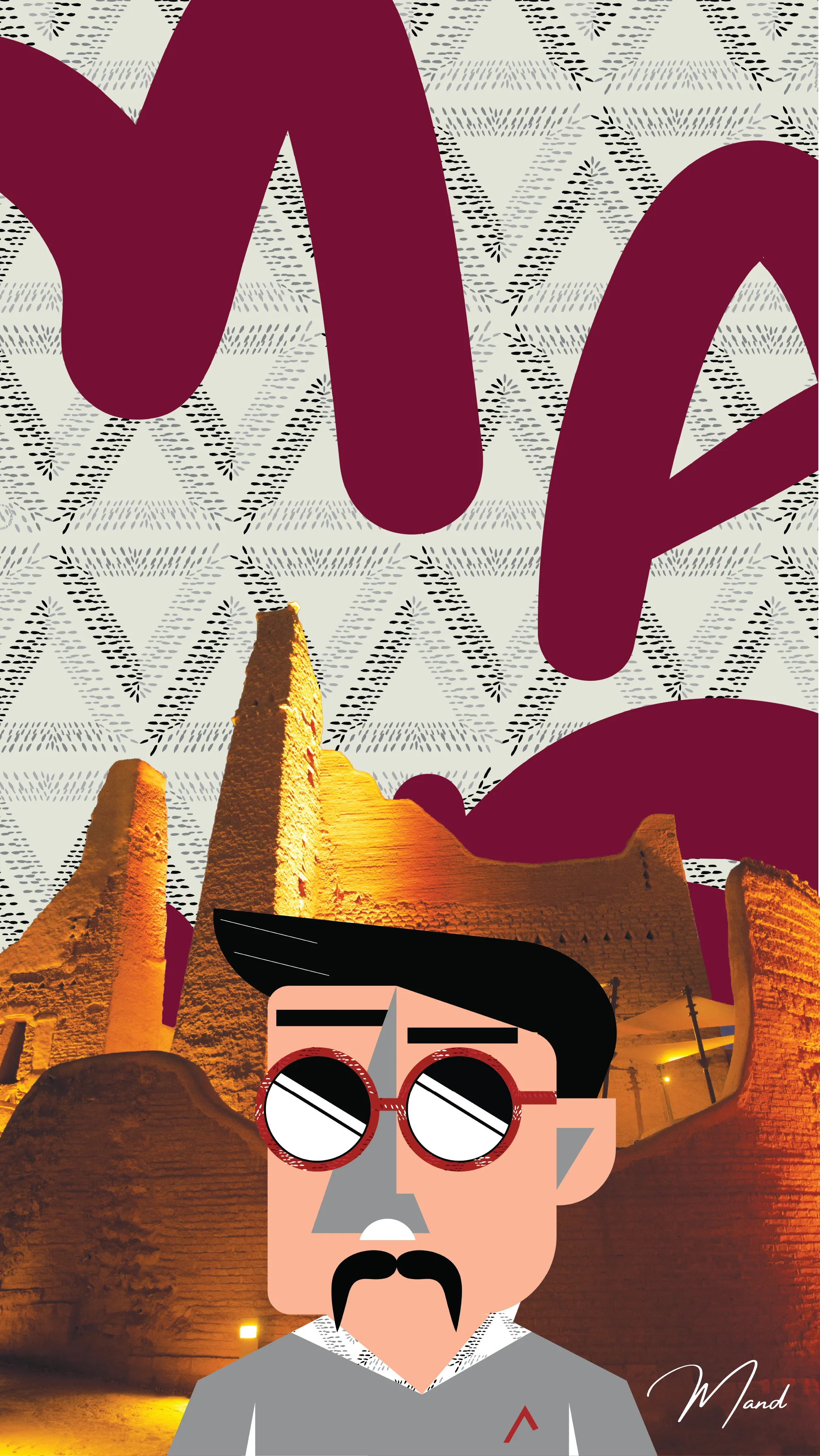
The Saudi Diriyah is an important place in Saudi Arabia. It is not just a regular city, but a symbol of the country's national identity. This is because Diriyah was the capital of the first Saudi state. Diriyah is located just northwest of the city of Riyadh. Its name comes from the Durou' tribe who settled in the Wadi Hanifah valley long ago. Diriyah has a long history dating back to before Islam. It was the headquarters of the Bani Hanifah tribe, who had migrated there from the Hijaz region and the Najd highlands. The city itself was later established by Mani' bin Rabi'ah al-Muridi.

Riyadh
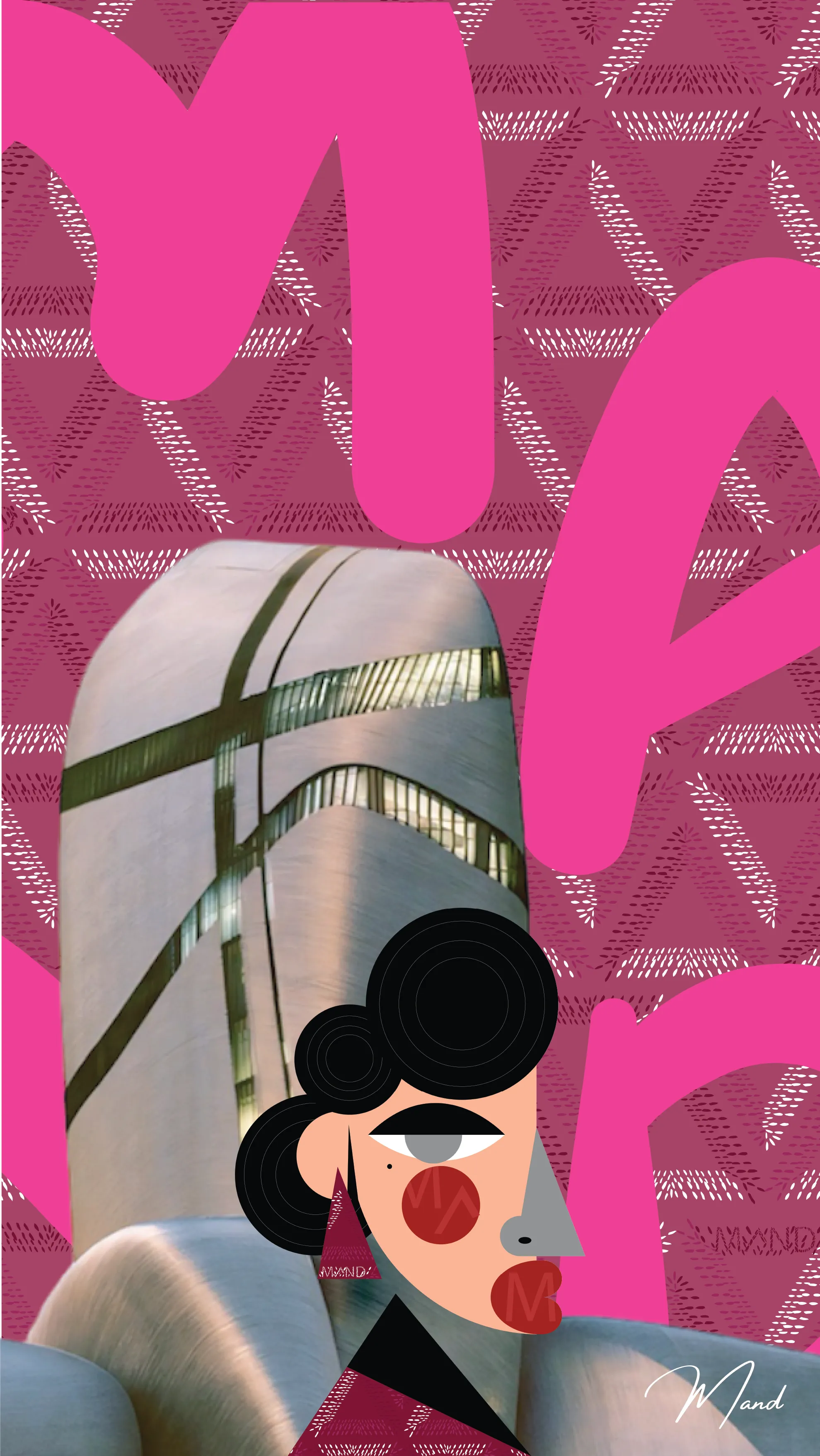
RiyadhRiyadh is an ancient city with a long history and continuous human activity dating back to before Islam. Riyadh has been waiting to take its place on the global stage, and now that time has come. Today, Riyadh is considered a pioneering city in urban development and human creativity. This is thanks to the visionary leadership of the Saudi government, led by King Salman and Crown Prince Mohammed bin Salman. Riyadh is embarking on a journey to new horizons never explored before.

Saudi Arabia's Vision 2030 has driven the transformation of Riyadh's infrastructure and economy, making it a distinguished global destination for living, investment, and tourism. Crown Prince Mohammed bin Salman has personally overseen the implementation and evolution of this ambitious vision, adapting it to changing local and global economic conditions. Because of these relentless efforts, Riyadh has become a symbol of rapid growth and development, a model of a modern, 21st-century capital city. Riyadh's population is projected to reach 20 million people living in peace, security, and stability. Riyadh is now the heart of the renaissance and progress in Saudi Arabia, and it is certain to secure a prestigious position among the world's leading capitals in the near future.

Neomy
NeomNeom means the “new future” and is a Latin-derived word that represents the city's goal. Neom is not just a futuristic city, but part of a plan to develop internal and external peace for its citizens. The residents of Neom come together for change and become a symbol of cultural diversity and urban community. It is a mixed society of different races and religions working towards a common goal to change the world. The Neom project is located in the northwest of Saudi Arabia, in the Tabuk region, extending along the Red Sea coast for 460 square kilometers. The total area of Neom is around 26,000 square kilometers. The project includes land adjoining the Egyptian and Jordanian borders, with the Gulf of Aqaba to the north and west, and the Egyptian Sinai peninsula.

Neom's strategic location is advantageous, as it is close to all major global markets. The project's map also positions it as a strategic area between three Arab countries – Saudi Arabia, Egypt, and Jordan – and near major global trade routes. There is no comparable location in the world, situated between three important countries, in the northwestern part of Saudi Arabia, and surrounded by mountains rising over 2,500 meters above sea level. The first step taken by Saudi Arabia was to carefully select the unique location of Neom due to its strategic importance.
Turaif
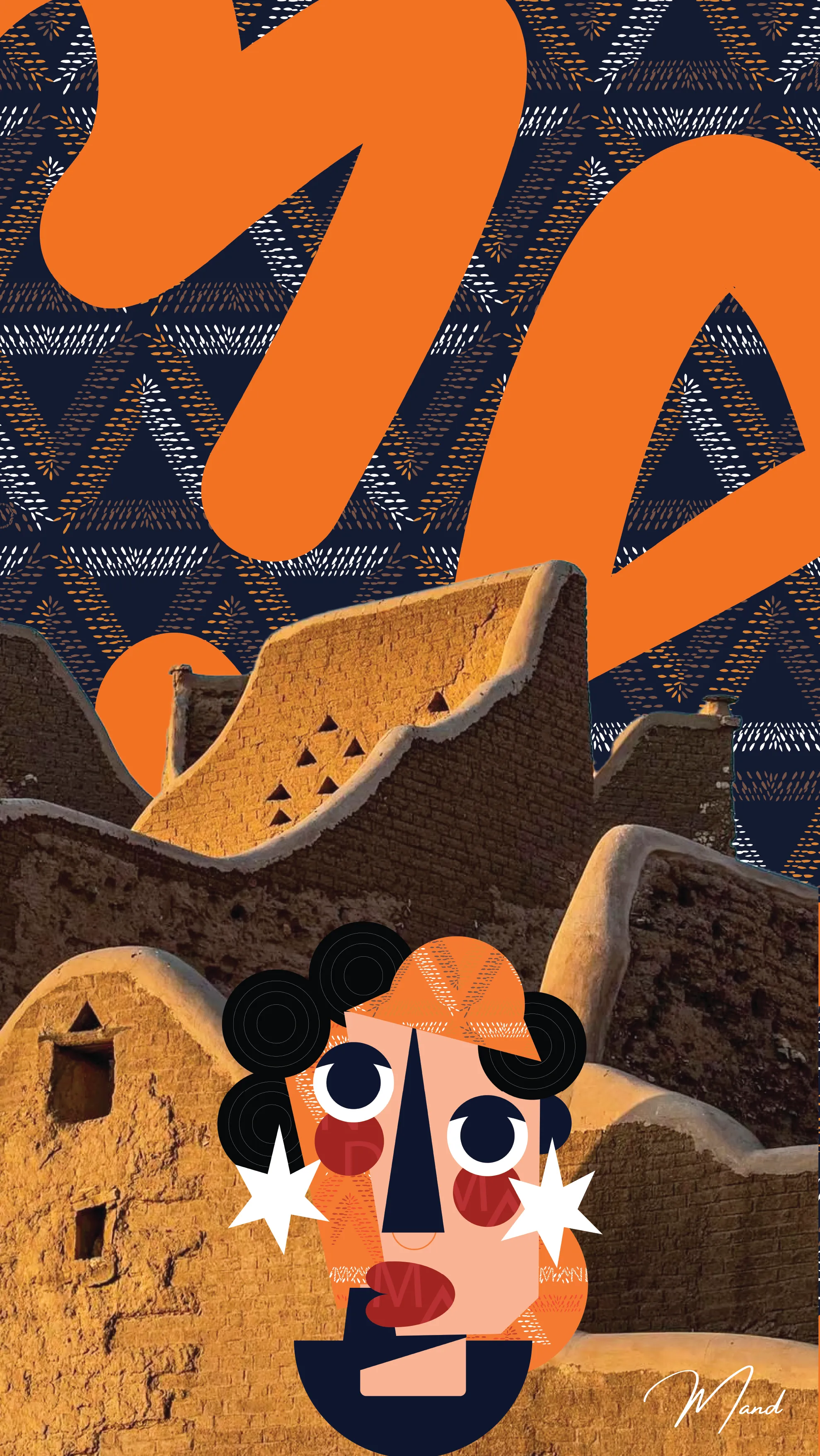
At-Turaif, DiriyahThe Al-Turaif district in Diriyah is a very important historical and architectural site. UNESCO named it a World Heritage site in 2010 because it is one of the most significant places in Saudi Arabia. This historic district dates back to 1744, when the First Saudi State was founded by Muhammad bin Saud Al Muqrin, the Emir of Diriyah. Al-Turaif served as the capital of the Al Saud state. The buildings in Al-Turaif have a unique Najdi architectural style, showing the skill and engineering of the local builders. The district contains famous historic buildings like Salwa Palace and the Mosque of Imam Muhammad bin Saud, as well as other Al Saud family palaces. It is also surrounded by a large wall and defensive towers, giving insight into construction and defense from that time.

Al-Turaif was an important political and religious center, growing in importance in the 18th and 19th centuries as the center of Al Saud power and the Salafi reformist movement in Islam. This historic district is invaluable cultural and historical heritage for Saudi Arabia. It deserves to be preserved and recognized as one of the most significant archaeological and historical sites in the region.
Al Joharah
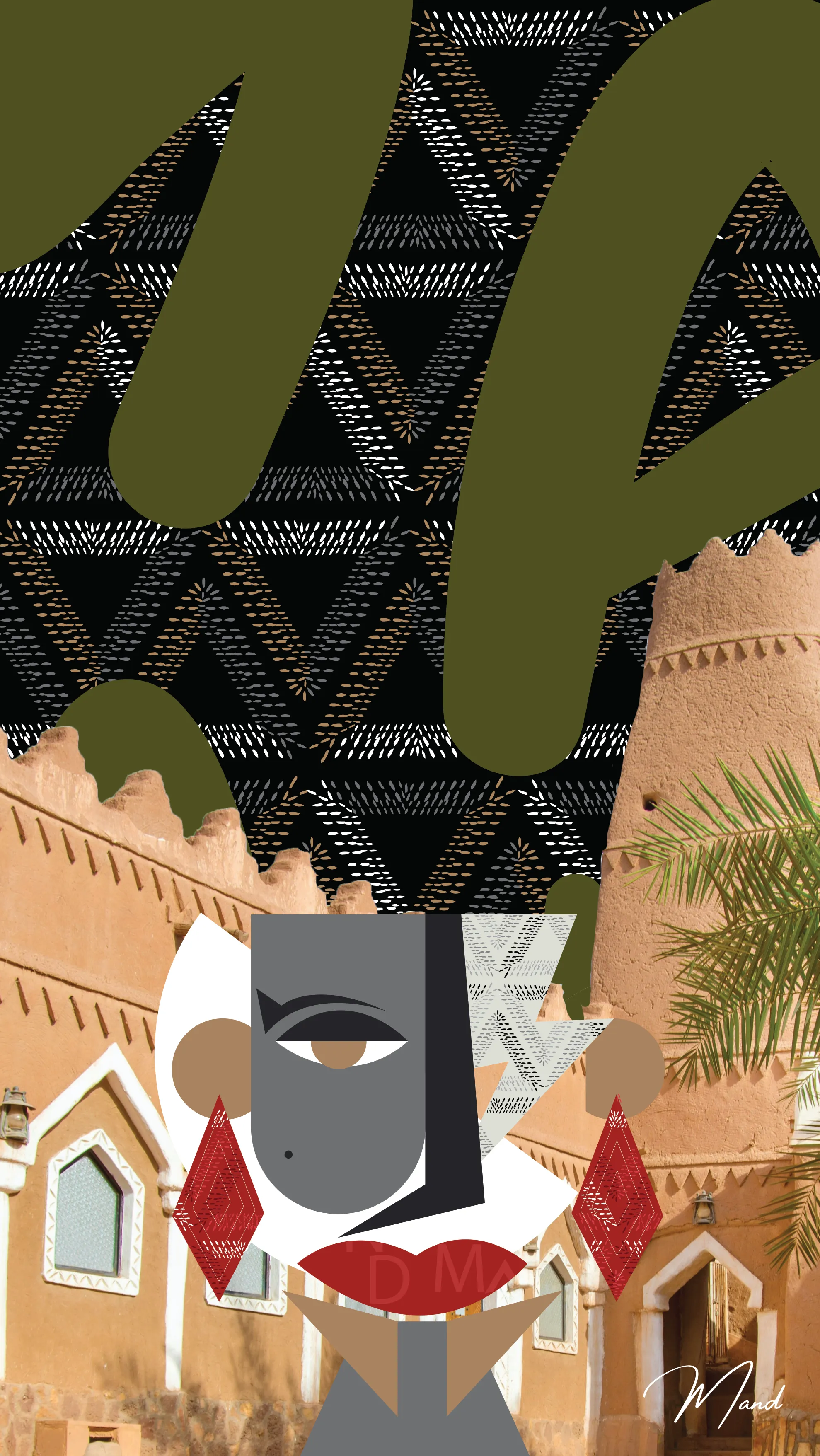
UshayqirUshayqir is an ancient village located in the Al-Washm region of Najd, in central Saudi Arabia about 200 km northwest of Riyadh. The name “Ushayqir” is a diminutive of “Shaqra'”, referring to the reddish mountains that surround the village's distinctive yellow mud houses. It was once known as “Ikl”, after the 'Ikl tribe of the Raba'b people. Historians believe Bedouins first settled in Ushayqir around 1,500 years ago, before the rise of Islam. The village grew rapidly, becoming an important stopover for pilgrims traveling to Mecca. Visitors could quench their thirst at the village springs, find shade in the orchards, and enjoy the bounty of the date palms – no wonder the poets of the Jahiliyyah era praised Ushayqir's beauty in their writings.

Today, Ushayqir retains an air of authentic antiquity. Thick walls surround the village, which is filled with hundreds of ancient mud-brick homes, some bearing the carved nameplates of former residents. Visitors can explore the restored historical houses, climb to viewpoints, and marvel at the dramatic mountain landscapes that have captivated people for centuries.
Asiri
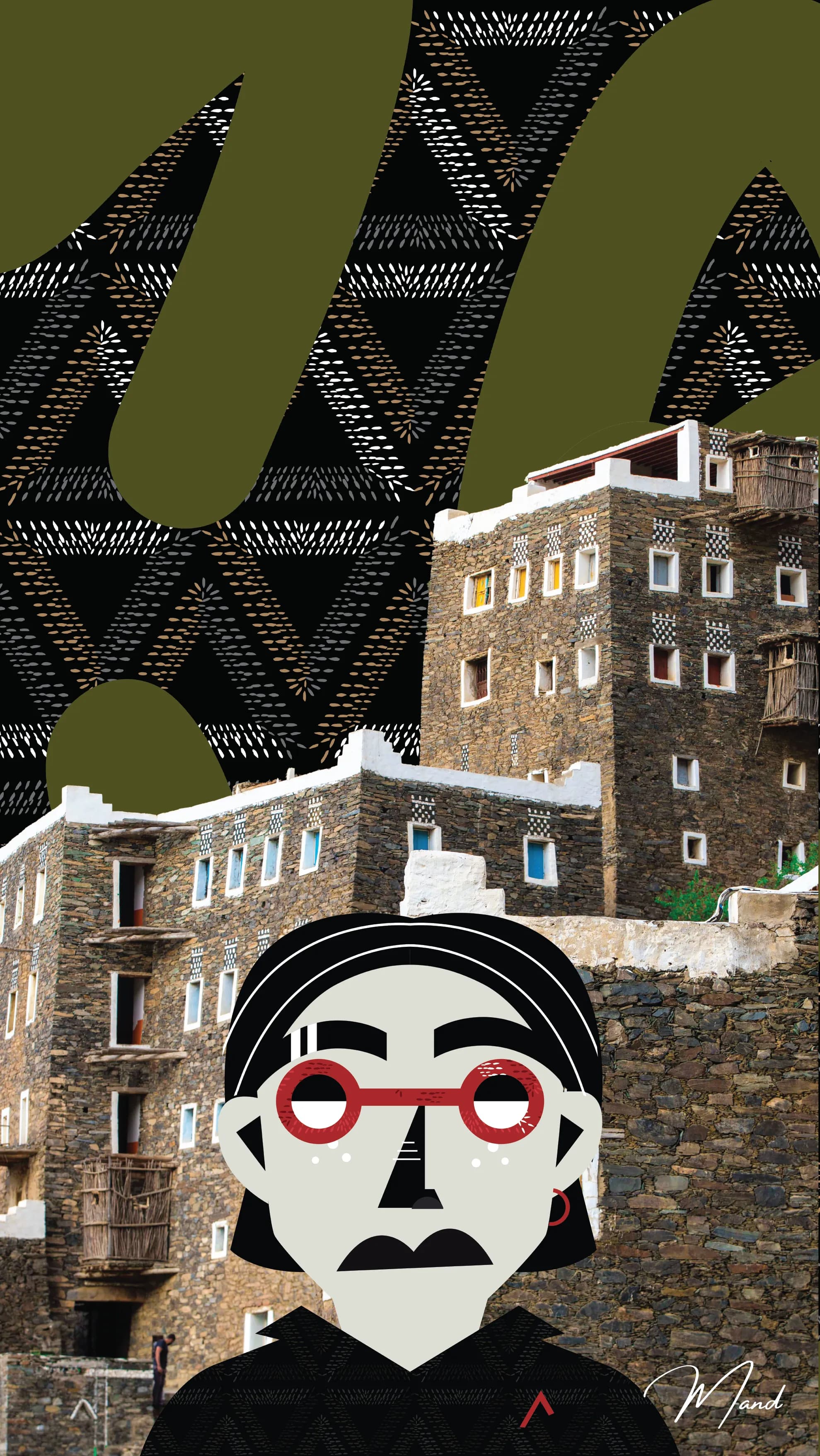
Rijal Alma'Rijal Alma' governorate is a rich heritage and historical site in the Kingdom of Saudi Arabia. This charming mountain village has roots dating back 900 years, making it one of the oldest villages in the region. What distinguishes Rijal Alma' is its unique architectural design, which is very similar to the historic cities of Yemen like Sana'a and Shibam. The multi-story stone buildings, the colorful geometric decorations on the walls, and the courtyards filled with decorated wooden chairs and woven mats all give this village an authentic atmosphere.

The charm of Rijal Alma' goes beyond just its historic buildings – it is also known for its strategic geographic location. In the past, it was an important commercial stop on the caravan route linking the Levant to the Hejaz region. Historically, it also witnessed the defeat of the Ottoman army by local tribes, making it an icon of resistance and independence. With all its historical wealth and natural beauty, it's no wonder that Rijal Alma' governorate has become one of the most distinctive tourist destinations in Saudi Arabia. It represents a window into an ancient cultural heritage and reflects the essence of Arab identity in its finest form.